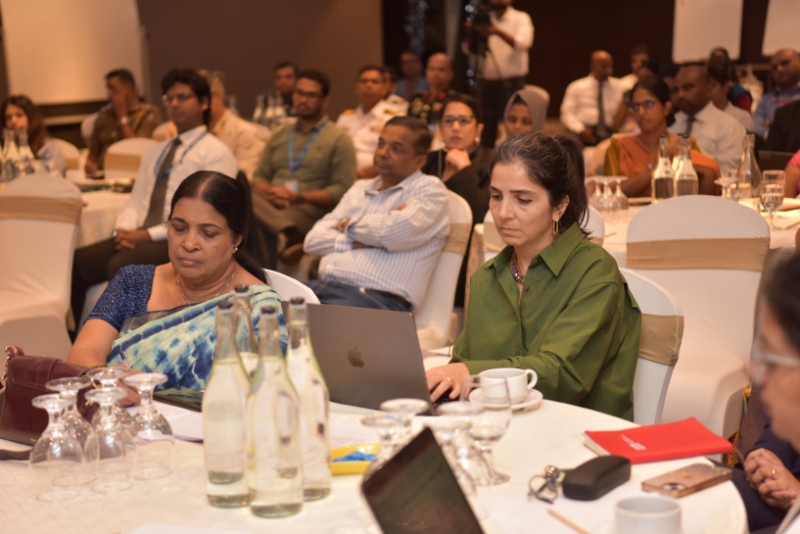
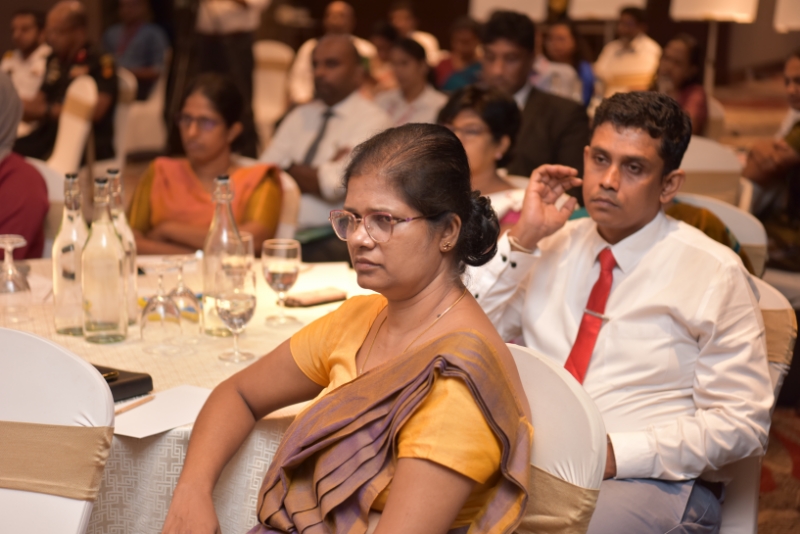
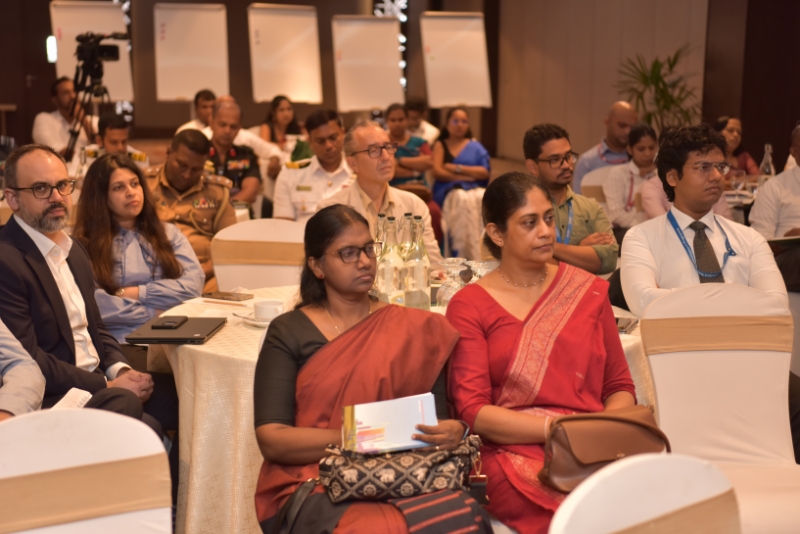
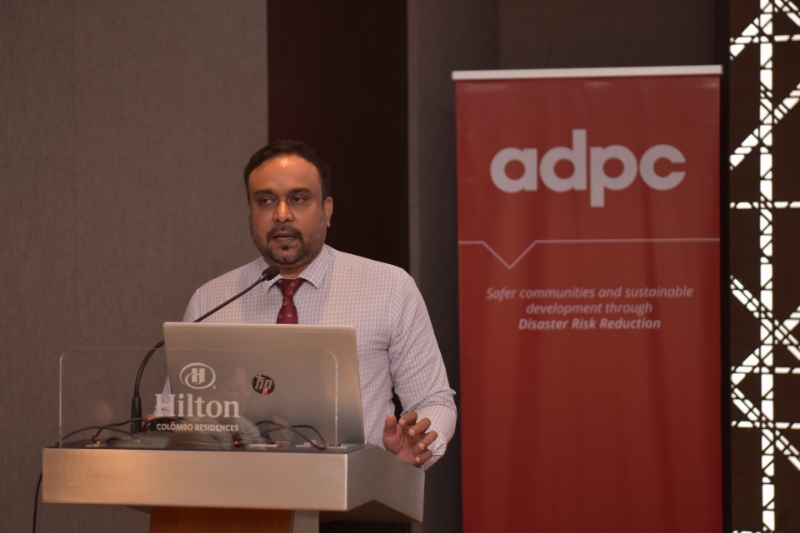
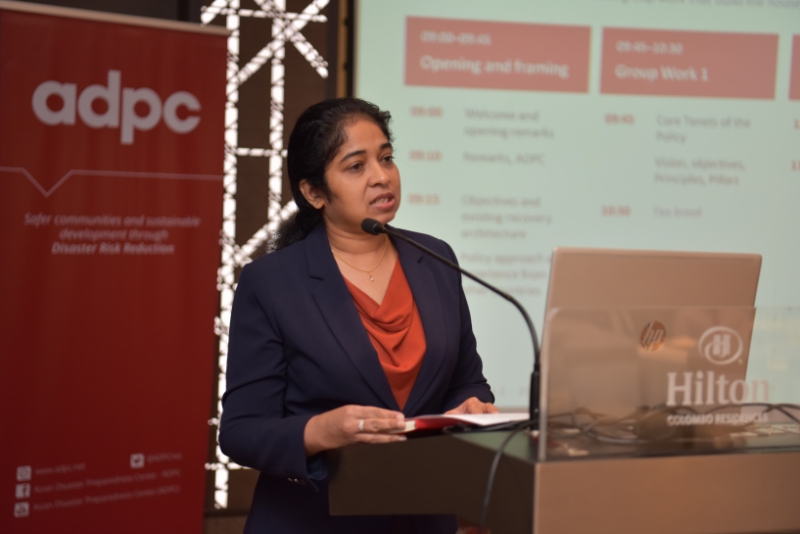
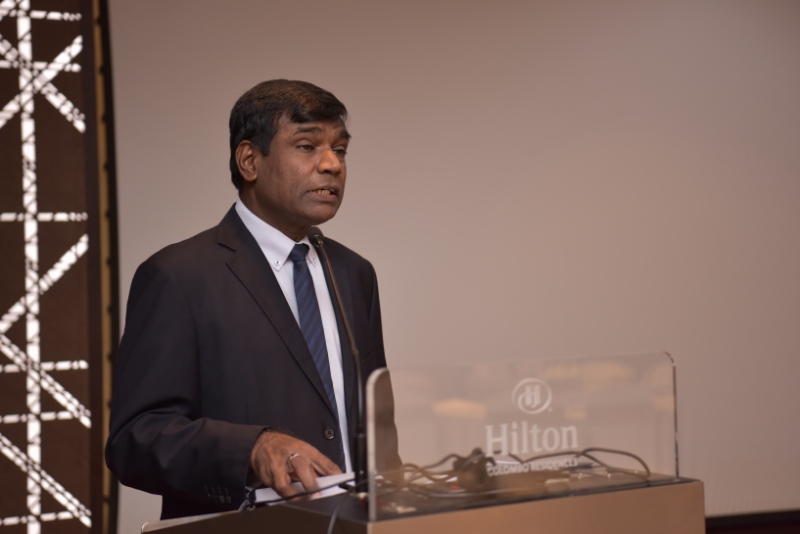
 As an initial step towards drafting the National Disaster Recovery Policy (NDRP), the first National Consultative Workshop, organised by the Disaster Management Centre (DMC), was held on 23 October 2026 at Hilton Colombo Residences, under the leadership of the Director General of the Disaster Management Centre, Major General Sampath Kotuwegoda (Retd.).
The primary objective of the workshop was to develop the foundational policy framework required to transform Sri Lanka from a system focused primarily on disaster response and recovery into a national recovery system with ex-ante commitments, integrated from the stages of disaster risk reduction and preparedness.
Drawing on lessons learned from Cyclone Ditwah, the Director General of the Disaster Management Centre, Major General Sampath Kotuwegoda, emphasised that establishing pre-arranged governance structures, financing mechanisms, critical project appraisal processes and accountability mechanisms before disasters occur is not merely an administrative necessity, but also a strategic imperative for an institutional disaster recovery policy. Such a policy is essential to protect citizens from the recurrence of existing vulnerabilities.
Throughout the workshop, participants actively contributed to structured group activities designed to define the vision, core principles, operational pillars and an institutional Monitoring, Evaluation and Learning (MEL) framework for the proposed policy. The outcomes and consensus reached during this consultation will form the basis of the working draft of the National Disaster Recovery Policy. The draft will subsequently be strengthened through further technical review before being submitted to the National Council for Disaster Management (NCDM) for approval. The Asian Disaster Preparedness Center (ADPC) is providing technical guidance for the formulation of the NDRP.
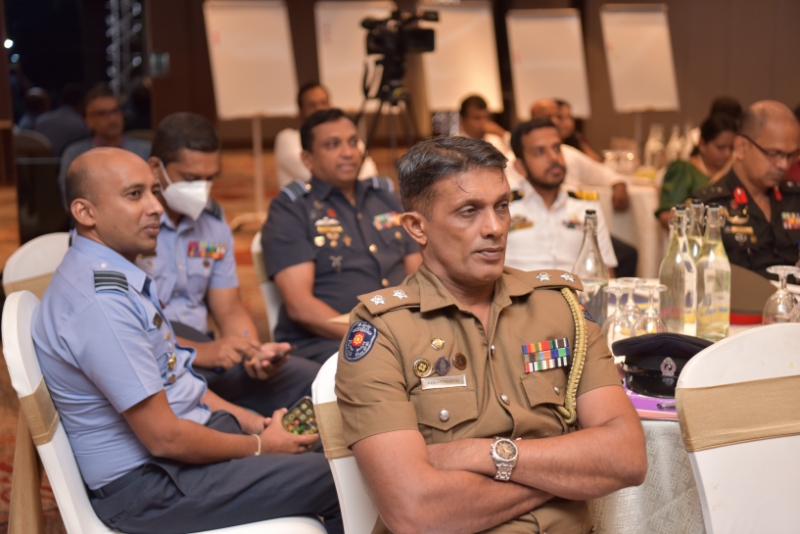
A high-level delegation representing a broad range of stakeholders in disaster risk management participated in this productive session. Participants included senior government officials, non-governmental organisations, United Nations (UN) agencies, international non-governmental organisations (INGOs), local civil society organisations, private-sector representatives, academics and media institutions.